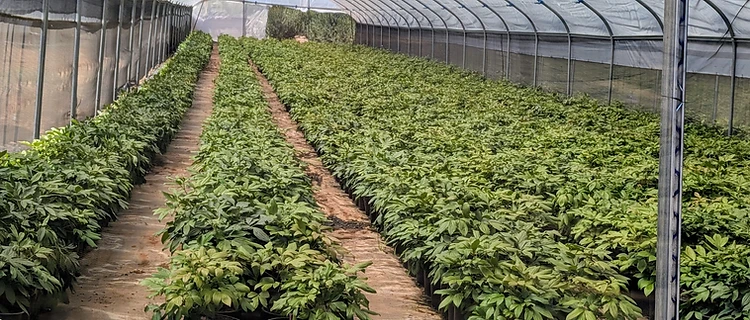
For generations, the Yissachar-Zevulun partnership has been a cornerstone of Jewish cooperation: a sacred model in which one partner does the work while the other provides the resources, so that both share equally in the spiritual and material reward.
Although it has traditionally been applied to Torah study and business, this timeless principle finds a powerful modern expression in Israeli agriculture, connecting Jews around the world to the agricultural mitzvos of the Land of Israel.
What Is the Yissachar-Zevulun Partnership?
The concept comes from the blessings that Yaakov and Moshe gave the tribes of Yissachar and Zevulun. The tribe of Yissachar devoted itself to Torah study and spiritual growth, while Zevulun traveled the trade routes and supported their brothers.
According to Jewish tradition, this was not just financial support; it was a true joint venture. Both partners hold an equal share in the reward of the work and of the spiritual achievement.
The Modern Adaptation: Agricultural Partnership in Israel
Today, applying the Yissachar-Zevulun model to the soil of Israel bridges the gap between active farming and personal observance:
- The farmer on the ground (the field partner): works the soil, faces the physical and economic hardships of the land, and carefully observes the complex agricultural laws.
- The global partner (the supporting partner): provides the backing, infrastructure, and resources that make large-scale observance possible.
- The shared merit: both partners stand as equals before the mitzvah, allowing non-farmers to actively fulfill mitzvos tied exclusively to the soil of Israel.
Fulfilling the Agricultural Mitzvos of the Land of Israel
Certain mitzvos, known as Mitzvos HaTeluyos BaAretz, can only be performed within the borders of the Holy Land. These include:
- Terumos and ma'asros: setting aside the portions for the Kohanim, the Leviim, and the needy.
- Orlah: not eating the fruit of trees during their first three years of growth.
- Shemittah and Yovel: giving the land its sabbatical rest every seven years.
- Gifts to the poor (leket, shichecha, pe'ah): leaving set portions of the harvest for those in need.
For those living outside Israel or working in other fields, these mitzvos often remain theoretical. The Yissachar-Zevulun partnership turns them into an active, practical reality.
Direct Farming vs. the Partnership Model
| Feature | Direct Farming | Yissachar-Zevulun Partnership |
|---|---|---|
| Accessibility | Limited to landowners and full-time farmers in Israel | Open to anyone, anywhere in the world |
| Halachic Expertise | Requires years of training in the agricultural laws | Guided and supervised by expert rabbinic authorities |
| Scope of Impact | Limited to a single personal plot | Supports large, professionally managed farmland |
| Spiritual Stake | Individual | A full, equal share in the mitzvah and in working the land |
Why This Connection Matters Today
Preserving the holiness of Israel's farmland takes dedication, expertise, and significant investment. Without organized backing, keeping these ancient traditions alive on a commercial scale is a huge challenge for local growers.
By joining a Yissachar-Zevulun partnership, you help:
- Strengthen the Jewish hold on the soil of Israel.
- Make sure produce is grown, harvested, and tithed according to strict halachic standards.
- Gain a personal, tangible connection to the holiness of the Land.
Claim Your Share in the Land of Israel
You don't need to drive a tractor or manage an orchard to fulfill the mitzvos of the Land. Through a supervised partnership, you can hold a direct stake in the soil and its blessings today.